
Dodgers Waste Early Leads, Fall 8-6 to Cardinals in 10 Innings
The Los Angeles Dodgers had the kind of start Wednesday night that should have led to a much different ending.
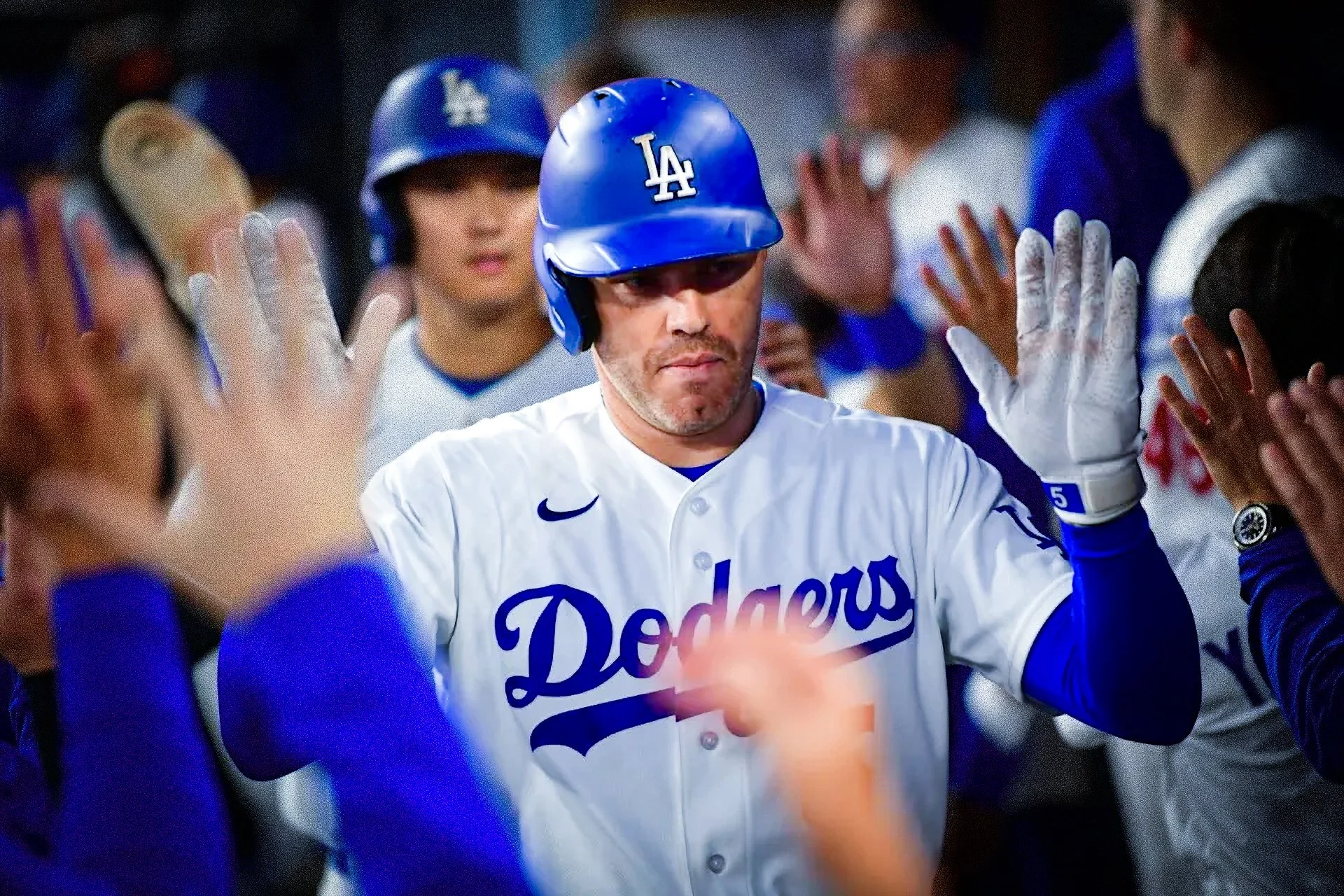
Freddie Freeman finally ended his lengthy home run drought.
Yoshinobu Yamamoto carried a no-hitter through five innings.
Mookie Betts answered the Cardinals’ first rally with another home run.
Los Angeles led 3-0 and later 5-2.
But missed opportunities kept St. Louis within striking distance, and eventually the Cardinals made the Dodgers pay.
St. Louis scored in the sixth, seventh and eighth innings before breaking a 5-5 tie with three runs in the 10th, handing Los Angeles an 8-6 loss Wednesday night at Dodger Stadium.
The defeat dropped the Dodgers to 82-57 and marked their sixth loss in eight games. The Cardinals improved to 70-70 and clinched the three-game series with their second consecutive victory in Los Angeles.
The most frustrating number of the night was not eight runs allowed.
It was 1-for-18.
That was the Dodgers’ performance with runners in scoring position.
Los Angeles finished with 11 hits, six walks and 13 runners left on base. The Dodgers created more than enough traffic to win. They simply failed to cash in often enough.
Freddie Freeman Finally Ends His Home Run Drought
Freddie Freeman had continued to contribute offensively in recent weeks, but one element had been missing from his game: home-run power.
That changed immediately Wednesday.
Shohei Ohtani opened the bottom of the first with a walk before Tommy Edman was hit by a pitch. After Mookie Betts popped out, Freeman drove a 93.3 mph fastball from Brycen Mautz 416 feet to center field for a three-run homer, giving the Dodgers a 3-0 lead.
The blast was Freeman’s 16th home run of the season and his first since July 4, ending a career-high 47-game homerless drought.
The distinction matters because Freeman had not been in a prolonged overall slump. He was still finding ways to get on base and collect hits. What had disappeared was the long ball.
On Wednesday, that power finally returned.
Dodgers Could Have Done More Damage in the First
The 3-0 lead actually could have been larger.
After Freeman’s homer, Miguel Rojas doubled.
Kyle Tucker walked.
Teoscar Hernández eventually lined out, and Max Muncy drew another walk to load the bases.
Hunter Feduccia then grounded out to end the inning.
That sequence became an early preview of what would follow.
The Dodgers were getting runners aboard.
They were forcing St. Louis pitchers to work.
They were creating scoring situations.
But outside of Freeman’s homer, they kept leaving potential runs on the field.
Against a Cardinals club using a bullpen game, Los Angeles had repeated opportunities to build a comfortable advantage.
That never happened.
Yamamoto Dominates for Five Innings
For a while, it looked like three runs might be more than enough.
Yamamoto was outstanding.
St. Louis did not record a hit through five innings as the right-hander controlled the lineup and received some strong defensive support behind him.
He retired the Cardinals with little trouble early and carried his no-hit bid into the sixth.
José Fermín finally broke it up with a leadoff single.
Two batters later, Thomas Saggese changed the complexion of the game completely.
Saggese attacked the first pitch he saw from Yamamoto and drove a two-run homer to center field, cutting the Dodgers’ lead to 3-2.
After looking almost untouchable for five innings, Yamamoto suddenly had a one-run game on his hands.
The Dodgers needed an answer.
Betts provided one.
Mookie Betts Restores the Three-Run Cushion
Los Angeles responded immediately in the bottom of the sixth.
Betts launched a two-run home run off George Soriano, pushing the Dodgers’ lead back to 5-2.
It was Betts’ 17th homer of the season.
That should have been a momentum-changing response.
The Cardinals had finally broken through against Yamamoto.
Instead of allowing the game to tighten further, Betts restored the three-run advantage with one swing.
For a Dodgers offense that has struggled to consistently produce timely power during the second half, seeing Freeman and Betts both homer in the same game was certainly encouraging.
Betts finished 2-for-6 with a double, homer and two RBIs.
But once again, the Dodgers could not create enough separation.
Cardinals Keep Coming Back
St. Louis answered again in the seventh.
Jordan Walker opened the inning with a double before rookie Leo Bernal came to the plate.
Bernal drove a Yamamoto pitch out for the first Major League home run of his career, another two-run shot that cut the Dodgers’ lead to 5-4.
Yamamoto finished the seventh before his night came to an end.
His final line:
7 IP | 5 H | 4 ER | 2 BB | 8 K | 2 HR
It was an unusual outing to evaluate.
For five innings, Yamamoto looked dominant enough to threaten history.
He still gave the Dodgers seven innings and struck out eight.
But the two two-run homers changed an otherwise excellent performance and left the bullpen with only a one-run lead.
The Cardinals erased that lead almost immediately.
Tanner Scott Blows the Lead in the Eighth
Tanner Scott took over in the eighth with Los Angeles ahead 5-4.
Joshua Báez doubled, putting the tying run in scoring position.
Alec Burleson eventually lifted a sacrifice fly, scoring Báez and tying the game 5-5.
Scott was charged with his third blown save of the season.
Jack Dreyer responded with a clean ninth inning, giving the Dodgers another chance to win the game before extras.
They could not capitalize.
That was the story all night.
One-for-18 With Runners in Scoring Position
The Dodgers’ final offensive line tells the story better than almost anything else.
11 hits.
Six walks.
13 runners stranded.
1-for-18 with runners in scoring position.
The statistic is even more frustrating because several Dodgers actually had productive nights.
Freeman reached base five times.
Teoscar Hernández went 3-for-5 with a double.
Betts had two extra-base hits.
Rojas doubled.
Tucker reached multiple times.
Los Angeles had baserunners throughout the game.
Yet once those runners moved into scoring position, the offense repeatedly stalled.
Against eight Cardinals pitchers, the Dodgers consistently gave themselves chances but rarely delivered the hit that could have created real separation. St. Louis used a full bullpen-game approach and still managed to escape enough jams to stay close.
That is a particularly troubling pattern for a club already facing questions about whether its offense can be trusted in October.
Postseason games are often decided by exactly these situations.
One or two at-bats with a runner at second.
A bases-loaded opportunity.
A runner at third with fewer than two outs.
The Dodgers cannot expect to get 18 at-bats with runners in scoring position every night.
When they do get that many, they have to convert more than one.
Cardinals Take Their First Lead in the 10th
The game moved to extra innings tied 5-5.
Brock Stewart took over for the top of the 10th.
With the automatic runner already aboard, Nathan Church singled to put runners at the corners.
Saggese then beat out an infield single, bringing home the go-ahead run and giving St. Louis its first lead of the night at 6-5.
One pitch later, Báez delivered the decisive blow.
He doubled home two more runners, extending the Cardinals’ lead to 8-5.
Stewart was charged with three runs, although only two were earned because the inning began with the automatic runner.
The Dodgers entered the bottom of the 10th suddenly needing three runs just to keep the game alive.
They got one.
Edman grounded out to bring home the automatic runner, making it 8-6.
But the rally stopped there, and St. Louis closed out the victory.
It was Los Angeles’ first loss in extra innings this season after starting the year 5-0 in extra-inning games.
Teoscar Hernández Quietly Has a Strong Night
One performance that should not get lost in the defeat was Hernández’s.
With his role and playing time becoming a major September talking point, Teoscar finished 3-for-5 with a double.
That came only a few days after his 434-foot go-ahead homer in Detroit.
It does not erase the inconsistency of his overall season, but the recent production matters given the conversation surrounding how Dave Roberts should deploy him down the stretch.
The Dodgers have considered becoming more matchup-oriented with Hernández.
If he keeps putting together nights like Wednesday, that decision becomes more complicated.
Ohtani’s Night Raises Another Concern
Ohtani had a completely different evening.
He finished 0-for-4 with a walk and four strikeouts.
More concerning was what Roberts noticed late in the game.
Ohtani appeared uncomfortable during his final at-bat and was seen moving or shaking his right arm. Afterward, Roberts said Ohtani’s swing did not look like the one the Dodgers are accustomed to seeing and indicated the club would speak with the medical staff about what he needs physically.
That situation deserves to be treated carefully.
There was no new diagnosis announced after the game, so it would be premature to label this a new injury.
But given the Dodgers’ existing questions surrounding Ohtani’s physical condition and pitching progression, his status is something to monitor closely.
For the purposes of Wednesday’s game, his four-strikeout performance was a major factor in a night when Los Angeles desperately needed another timely hit.
Freeman and Betts Give Dodgers Something Positive
There were still legitimate positives.
Freeman finally homered.
Betts homered and doubled.
Hernández collected three hits.
Yamamoto carried a no-hitter into the sixth.
Those are not insignificant developments for a team trying to find momentum.
The problem is that the Dodgers continue to find ways for encouraging individual performances to coexist with disappointing team results.
On Tuesday, the offense scored eight runs but the pitching staff allowed 13.
On Wednesday, Los Angeles received seven innings from Yamamoto, home runs from two former MVPs and 11 total hits.
The result was still another loss.
That is what makes this stretch so frustrating.
The problem changes from night to night.
Dodgers Have Lost Six of Eight
The Dodgers are now 82-57.
They remain atop the NL West, but Los Angeles is not playing the kind of baseball it hoped to carry into September.
They were swept by Atlanta.
They took two of three in Detroit.
They returned home expecting a nine-game homestand to provide an opportunity to reset.
Instead, St. Louis has won the first two games.
The Cardinals scored 13 runs Tuesday.
Then they overcame two three-run deficits Wednesday.
Los Angeles has now lost six of its last eight games.
One rough stretch does not erase everything the Dodgers accomplished over the first five months of the season.
But September is no longer early enough to dismiss recurring problems as temporary.
Dodgers Now Face a Sweep
Thursday’s series finale suddenly carries more significance than the Dodgers probably expected when the Cardinals arrived.
Los Angeles needs to avoid opening September with a three-game sweep at home.
More importantly, the Dodgers need to start turning good situations into wins.
Wednesday should have been one.
They scored three runs in the first inning.
They led 3-0.
They later led 5-2.
Yamamoto gave them seven innings.
Freeman and Betts both homered.
Hernández had three hits.
The Dodgers put runner after runner into scoring position.
And they still lost.
There is no mystery about the biggest reason why.
One hit in 18 at-bats with runners in scoring position simply was not enough.
The Dodgers had every opportunity to put St. Louis away.
Instead, they kept the Cardinals alive long enough for the game to turn.
And by the time St. Louis finally took its first lead in the 10th inning, Los Angeles had already wasted too many chances to answer.