
David Vassegh Says MLB Players Believed Brewers Had Yamamoto’s Pitches
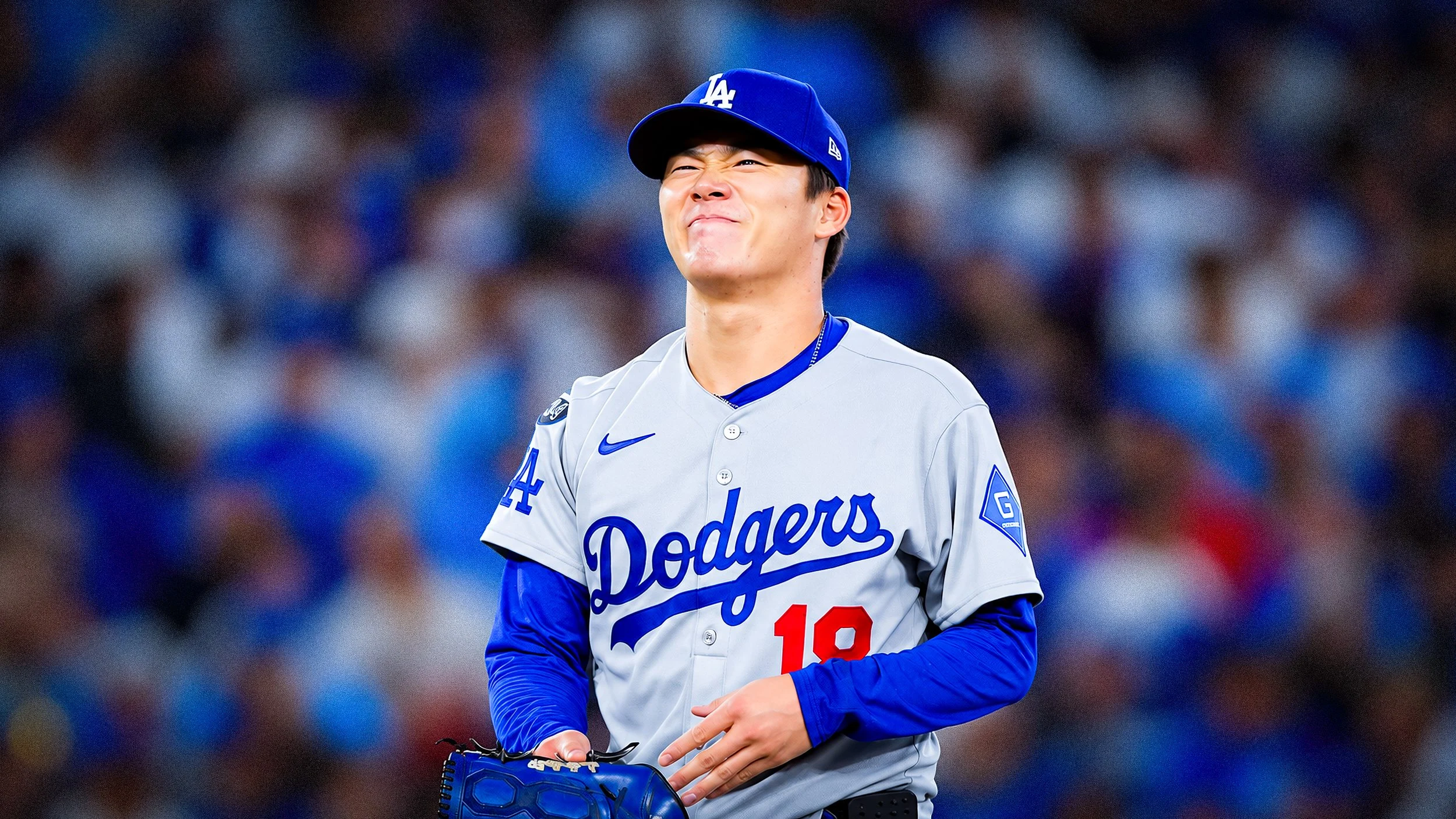
Yoshinobu Yamamoto’s unusually short start in Game 2 of the National League Championship Series caught the attention of more than Dodgers fans.
It apparently caught the attention of players around Major League Baseball.
David Vassegh revealed on AM 570 that multiple players contacted him during the Dodgers’ 7-4 loss because they believed Milwaukee’s hitters may have known which pitches Yamamoto was about to throw.
“Players around the league were texting me during that game that they believed the Brewers had Yamamoto’s pitches—especially Bauers, especially the 0-2 swing Turang had on Yamamoto,” Vassegh said. “They believed the Brewers had Yamamoto’s pitches, which is, at this point in time, believable.”
Vassegh was reporting what other players told him. He was not confirming that Yamamoto tipped his pitches or accusing the Brewers of improper conduct.
No evidence has publicly established either of those possibilities.
But considering what unfolded against one of baseball’s most difficult pitchers to read, the Dodgers have reason to review the outing closely.
Jake Bauers’ 12-Pitch Walk Raised Questions
The most striking plate appearance came with two outs in the third inning.
Milwaukee had runners on first and second when Jake Bauers stepped in against Yamamoto. Five pitches into the matchup, the count was full.
Bauers then fouled off six consecutive pitches before taking a curveball below the strike zone for ball four.
The 12-pitch walk was the longest plate appearance any Major League hitter has produced against Yamamoto. Bauers survived five different pitch types, including Yamamoto’s fastball, splitter, curveball, sinker and cutter.
The at-bat took more than seven minutes and pushed Yamamoto deeper into an inning that ultimately ended his night.
Christian Yelich followed by lining a hanging curveball into center field for a two-run single, giving Milwaukee a 3-2 lead.
Yamamoto was removed after allowing three runs on four hits and two walks across only 2⅔ innings. He threw 75 pitches, including 36 during the third.
For a pitcher with Yamamoto’s extensive arsenal and ability to make his pitches resemble one another, Bauers’ ability to cover virtually everything was remarkable.
That does not prove he knew what was coming.
It explains why players watching the game apparently began asking questions.
Brice Turang Also Caught Players’ Attention
Vassegh specifically mentioned an 0-2 swing from Brice Turang as another moment that stood out to the players contacting him.
Turang repeatedly fought his way back from two-strike counts against Yamamoto.
He reached on a double during the first inning after extending his plate appearance and later recovered from another 0-2 count to draw a walk in the third.
That third-inning walk became especially costly. Yamamoto appeared to throw strike three on the final pitch, but the cutter was called a ball. The Dodgers did not initiate an ABS challenge, and Turang remained on base before Yelich’s two-run single.
A missed call helped Milwaukee, but Turang still forced Yamamoto to throw six pitches after falling behind immediately.
The combination of disciplined takes and defensive swings apparently looked unusual enough that other players wondered whether Milwaukee had identified something.
Brewers Rarely Swung Through Yamamoto’s Pitches
Milwaukee’s overall contact also deserves attention.
The Brewers swung and missed only four times against Yamamoto’s 75 pitches. Nineteen pitches were fouled off, including nine across Bauers’ two plate appearances.
Yamamoto generated only one strikeout.
That is an unusual result against a pitcher whose deep arsenal and tunneling routinely force hitters to make decisions before they can clearly identify the pitch.
It is also possible that Milwaukee simply executed an excellent game plan.
Forty of Yamamoto’s 75 pitches finished outside the strike zone. The Brewers remained disciplined, refused to chase consistently and used defensive swings to survive once they reached two strikes.
Bauers later explained that he was trying to avoid guessing along with Yamamoto. His goal was to remain closed, protect the plate and wait for something he could handle.
Sal Frelick also credited Bauers with seeing the ball well rather than attempting to cheat toward a specific pitch.
That explanation is plausible.
So is the possibility that Milwaukee discovered a small mechanical tell, sequencing tendency or pre-pitch cue that made Yamamoto easier to read.
The Dodgers must now determine which explanation is accurate.
Having The Pitches Does Not Automatically Mean Cheating
The phrase “had Yamamoto’s pitches” can carry a serious implication, but it does not necessarily mean Milwaukee did anything illegal.
Hitters and coaches constantly search for patterns.
A pitcher may position his glove differently before a certain pitch, alter his delivery, change his grip too early or use a distinct tempo. Teams can also recognize predictable pitch sequences based on counts, hitter handedness or previous meetings.
Identifying those clues through normal observation is part of baseball.
That would be different from using prohibited technology or an illegal sign-stealing system. Nothing reported by Vassegh or another verified source has accused Milwaukee of that.
At this point, there is not even confirmation Yamamoto was tipping pitches.
There are only observations from unnamed players who believed Milwaukee’s hitters appeared unusually comfortable.
That is noteworthy—but it is not proof.
Yamamoto Also Struggled With His Command
Pitch tipping should not become an explanation for everything that went wrong.
Yamamoto was not as precise as usual. Too many pitches missed the strike zone, and he struggled to finish at-bats after getting ahead.
Will Smith credited Milwaukee for refusing to expand while acknowledging that Yamamoto left several pitches over the middle of the plate.
The deciding hit was not the result of a perfectly located pitch that Yelich somehow anticipated. Yamamoto hung a curveball in a hittable location, and Yelich drove it into center field.
The Brewers may have recognized something.
They also benefited from Yamamoto failing to execute at his normal level.
Those possibilities can exist together.
Dodgers Should Examine Everything Before Yamamoto Pitches Again
Yamamoto could receive another start if the Dodgers extend the series.
Before that happens, the club should conduct a detailed review of every angle from Game 2.
That includes his glove position, grip visibility, delivery tempo, PitchCom communication and how each Milwaukee hitter reacted to different pitches.
The purpose would not be to accuse the Brewers.
It would be to eliminate any information Yamamoto may have unknowingly provided.
Pitch tipping can be extremely subtle. The pitcher may not feel any difference, but video analysts and opposing hitters can identify small changes that become obvious once a pattern is recognized.
If the Dodgers uncover something, Yamamoto may be able to correct it before his next appearance. If they find nothing, they can credit Milwaukee’s approach and focus on improving his command.
Either conclusion would be valuable.
Our Take: The Numbers Justify Investigation, Not Accusation
There is enough here to take Vassegh’s report seriously.
Multiple players apparently noticed something independently while watching the game. Bauers covered five pitch types during the longest plate appearance of Yamamoto’s Major League career. Milwaukee produced 19 foul balls while swinging and missing only four times.
That is unusual.
It is not conclusive.
The worst response would be for the Dodgers to dismiss the possibility without reviewing it. The second-worst would be for anyone to accuse Milwaukee of cheating without evidence.
The responsible conclusion sits between those extremes.
Something about Yamamoto looked readable to players watching from outside the series. The Dodgers now need to determine whether that came from pitch tipping, predictable sequencing, poor command or simply an exceptional offensive approach by Milwaukee.
David Vassegh’s report does not prove the Brewers knew which pitches were coming. It does, however, provide the Dodgers with another important question to answer before Yoshinobu Yamamoto potentially takes the mound again this postseason.