
Dave Roberts Takes Away Andy Pages’ ABS Challenge Privilege
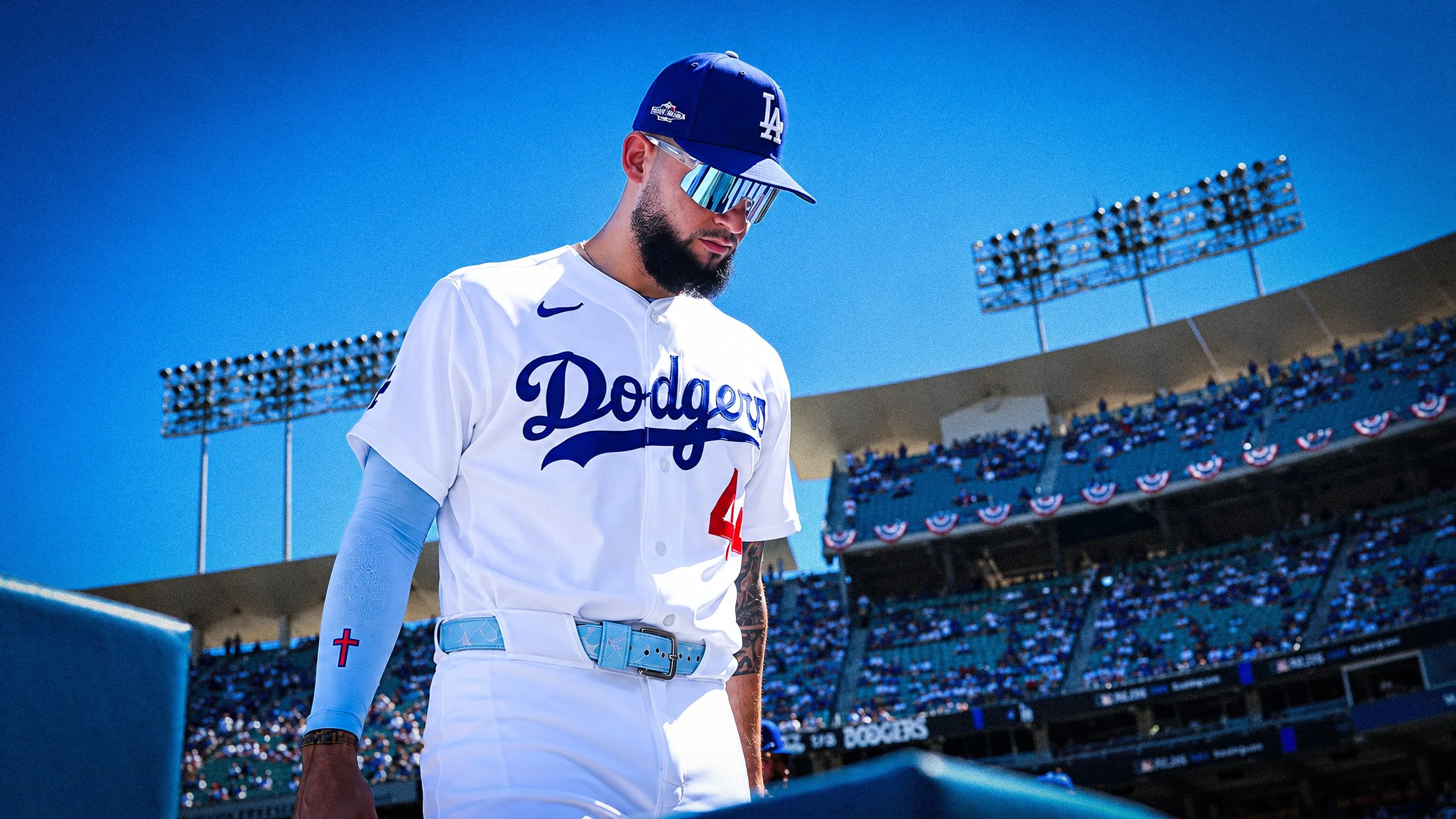
Andy Pages will no longer be making his own decisions when it comes to challenging ball-and-strike calls this postseason.
After Pages unsuccessfully challenged a pitch that was clearly inside the strike zone during the Dodgers’ Game 1 victory over Atlanta, Dave Roberts spoke with the 25-year-old and removed his permission to initiate future ABS challenges.
The decision followed a season-long pattern of Pages challenging pitches unsuccessfully and sometimes using one of the Dodgers’ limited attempts in situations with relatively little leverage.
“We talked about it a lot this year with Andy’s success rate or lack thereof,” Roberts said.
Roberts acknowledged that he did not revisit the subject with Pages before the postseason began, taking some responsibility for what happened in Game 1. That conversation has now taken place.
The Dodgers are not willing to risk losing another challenge early in a postseason game.
Pages Wasted A Challenge In The Second Inning
Pages came to the plate with two outs and nobody on base during the second inning of Game 1 against Atlanta.
With the count at 2–2, Pages took a pitch that was called a strike. He immediately tapped his helmet to request an ABS review.
The automated system confirmed the call.
The pitch crossed the strike zone 2.6 inches above its lower boundary, meaning it was not particularly close to being overturned.
Because the challenge was unsuccessful, the Dodgers lost one of their two available challenges for the remainder of the game.
Los Angeles still won 5–3, and the failed challenge did not directly affect the outcome. However, Roberts does not want the same decision to leave the Dodgers without an appeal later in a closer or more consequential situation.
Pages Struggled With ABS Decisions Throughout The Season
The Game 1 mistake was not an isolated incident.
Pages finished the regular season 11-for-25 on ABS challenges, giving him a 44% success rate. Only 52% of his attempts were classified as reasonable challenges based on the location of the pitch and the game situation.
Among 182 hitters who attempted at least 10 challenges, Pages ranked 142nd in overturns compared with expectations and 169th in runs added compared with expectations.
He did not simply struggle to identify which calls were incorrect. He also had difficulty determining when a challenge was worth risking.
Pages occasionally spent challenges during the early innings or in lower-leverage situations. That created the possibility of the Dodgers being unable to contest a more significant call later in the game.
That exact scenario occurred against Kansas City in August.
Pages and Miguel Rojas used both Dodgers challenges during the early innings. Pages was later called out on strikes on a pitch that was clearly inside, but Los Angeles had no challenges remaining.
Roberts subsequently addressed the team’s challenge strategy. Pages did not initiate another regular-season challenge after August 12, but he resumed the practice during the NLDS opener.
Challenges Have Become A Postseason Resource
Under MLB’s new ABS system, every team begins a regulation game with two challenges. A successful challenge is retained, while an unsuccessful attempt is lost.
The limited number makes judgment and game situation almost as important as whether a player believes the original call was wrong.
A failed challenge in the second inning might appear harmless. But if a questionable strikeout, walk or bases-loaded pitch occurs later, losing an early challenge can change an at-bat—and potentially the game.
The postseason has already demonstrated the system’s value. Philadelphia clinched Game 2 of its Wild Card Series against Atlanta after successfully challenging a late called ball and turning it into a game-ending strike.
That is the type of moment the Dodgers want to protect their challenges for.
Roberts Does Not Treat Every Hitter The Same
Roberts explained that the Dodgers do not have one universal challenge policy for every player.
Certain hitters have earned more freedom based on their understanding of the strike zone, success rate and awareness of leverage.
Roberts specifically referenced his trust in Mookie Betts on pitches away, while also noting that Betts has demonstrated the willingness to save a challenge when the situation does not justify using one.
“It’s not a one-size-fits-all situation,” Roberts said.
Pages has not demonstrated that same level of judgment, so the Dodgers have taken the choice away from him.
This does not mean Pages is prohibited by MLB from tapping his helmet. It is an internal restriction established by Roberts and the Dodgers.
It is also not a punishment related to his offensive performance or defense. The decision is entirely about preserving a limited team resource during games that can be decided by one pitch.
Pages Must Trust The Plan
MLB rules prohibit a batter from receiving assistance from the dugout or another player before requesting an ABS challenge. The decision must be made immediately by the batter, pitcher or catcher directly involved in the pitch.
That means Roberts or a teammate cannot simply tell Pages when to challenge from the dugout.
For the remainder of the postseason, Pages’ direction is much simpler: do not initiate one.
The Dodgers can prepare him before games, review how the automated zone is being applied and discuss which situations carry enough leverage to justify a challenge. But once Pages enters the batter’s box, the team would rather preserve its challenges for someone with a stronger track record.
In October, every out matters.
According to Roberts, so does every helmet tap.
Did Roberts make the right decision, or should Pages still have permission to challenge in late-inning, high-leverage situations?