
Andrew Friedman Expects Dodgers’ Coaching Staff To Remain Intact
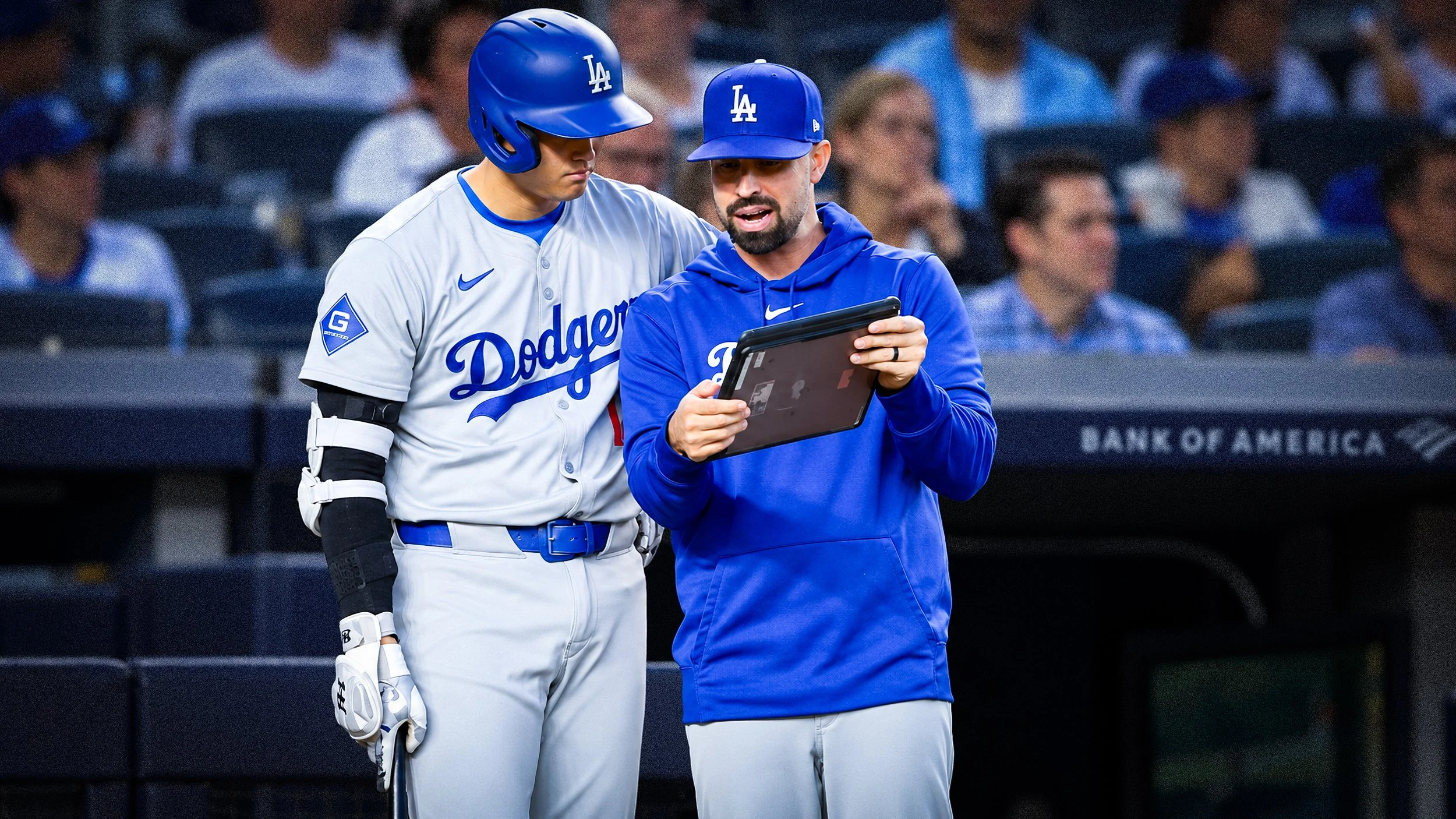
The Dodgers do not appear to be planning a major coaching overhaul following their disappointing postseason exit.
Asked Wednesday about the status of the coaching staff, Andrew Friedman said the organization is still evaluating its offseason decisions but currently expects continuity.
“Still working through things, but expect status quo,” Friedman said.
That is not the same as announcing that every coach has officially been retained. Individual conversations and evaluations are still taking place.
The broader message, however, is clear: the Dodgers expect Dave Roberts and the majority—if not all—of the current staff to return in 2027.
Dodgers Are Choosing Continuity After NLCS Sweep
A four-game sweep by Milwaukee ended the Dodgers’ attempt to win a third consecutive World Series and naturally created questions about what needs to change.
The immediate answer does not appear to be the coaching staff.
That decision is understandable when considering the larger body of work. The Dodgers won 100 games, captured another NL West title and reached the National League Championship Series one year after completing back-to-back championships.
The season ended badly, but it would be difficult to argue that one postseason series erased everything the staff accomplished over the previous three years.
Dave has also maintained the confidence of the front office while overseeing one of baseball’s most successful and demanding clubhouses.
Still, bringing back the same people cannot mean approaching 2027 exactly the same way.
What Needs To Change If The Staff Stays?
Continuity only works if the Dodgers use it to make meaningful adjustments.
The offense became too predictable during the NLCS. Los Angeles struggled to create consistent pressure, failed to capitalize on scoring opportunities and frequently appeared unable to adjust once Milwaukee established its pitching plan.
That does not make hitting coaches Robert Van Scoyoc and Aaron Bates solely responsible for the lineup’s performance. Players ultimately must execute, and several important hitters were either injured or performing below their usual standards.
But the offensive staff still must examine why a lineup containing that much experience and talent was unable to create better at-bats when the season was on the line.
The Dodgers also need a more sustainable approach to health and workload management.
Their nine intended regulars started together only three times during the entire season, including the postseason. Injuries cannot always be prevented, especially with an aging roster, but the Dodgers must determine whether different rest schedules or earlier interventions could keep their core healthier for October.
Shohei Ohtani’s two-way workload will be one of the most important parts of that conversation. The Dodgers expect him to pitch again in 2027, but his knee and biceps problems demonstrated how quickly one physical issue can begin affecting both sides of his game.
Pitching Staff Still Faces Important Questions
The pitching operation will require its own evaluation.
Mark Prior has helped the Dodgers navigate an extraordinary number of injuries and moving parts over the years. In 2026, Los Angeles still entered October with considerable rotation depth despite losing pitchers at different points throughout the season.
The bullpen was less settled.
The Dodgers never established one traditional closer, and several relievers spent September and October competing for postseason roles. That flexible approach can work, but it also requires every pitcher to understand how and when he might be used.
Los Angeles must decide whether its matchup-based bullpen strategy needs better-defined roles or simply different personnel.
The return of the coaching staff will not prevent changes to the pitching group itself.
Younger Players Must Become Part Of The Plan
The Dodgers’ strongest organizational advantage may be their collection of young talent.
Josue De Paula has already reached the Major Leagues. Mike Sirota, James Tibbs III, Charles Davalan and several other prospects continue advancing through the system.
If the Dodgers intend to become younger without abandoning their championship expectations, the coaching staff will play an important role in that transition.
Young players need legitimate opportunities, not simply occasional at-bats around established veterans. The Dodgers must identify which prospects are ready and determine how to incorporate them without asking them to immediately carry the team.
Continuity could help that process because the current staff already understands the organization’s developmental system and expectations.
Status Quo Does Not Mean Nothing Changes
Friedman’s comments indicate that the Dodgers are not looking for scapegoats following their NLCS loss.
That is probably the correct approach.
Replacing coaches can create the appearance of accountability without addressing the underlying problems. The Dodgers’ age, injuries, roster construction and October execution cannot be traced to one person or one department.
But retaining the same staff also increases the responsibility to learn from what happened.
The Dodgers cannot simply run back the same coaching group, the same veteran core and the same methods while assuming a healthier outcome will solve everything.
The names in the dugout may remain the same. The Dodgers’ approach to health, offensive adjustments, bullpen roles and younger players cannot.