
Dodgers Rally From Early Deficit but Fall 4-3 to Braves in Series Opener
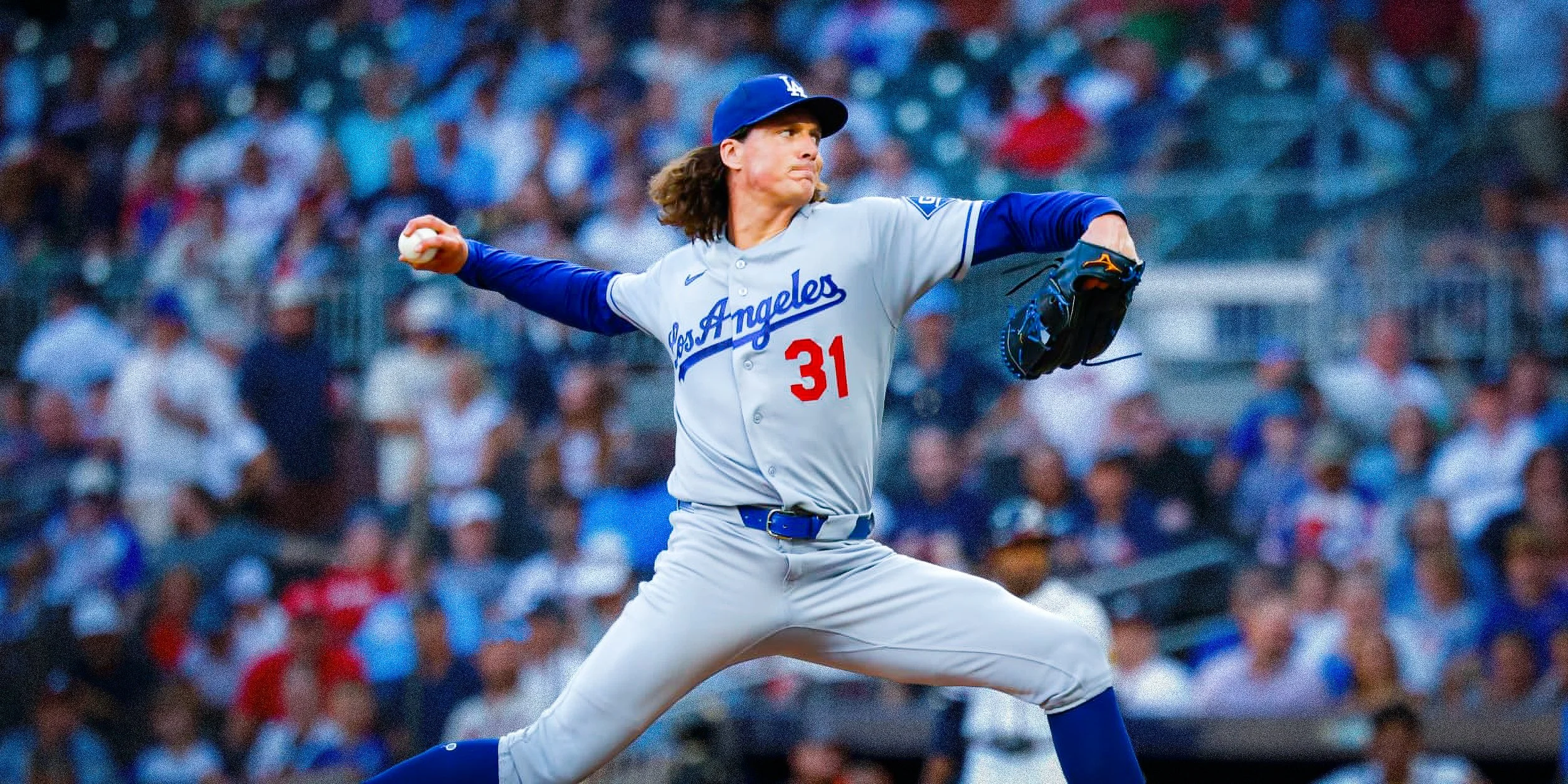
The Los Angeles Dodgers spent most of Tuesday night recovering from a difficult first inning.
They nearly recovered from the final blow, too.
But after climbing out of an early three-run hole and carrying a tie into the eighth inning, the Dodgers fell 4-3 to the Atlanta Braves in the opening game of their three-game series at Truist Park.
Ozzie Albies delivered the deciding hit, driving in Matt Olson with a two-out single against Tanner Scott in the bottom of the eighth. Los Angeles then opened the ninth with Shohei Ohtani standing at third base following a leadoff triple, but Braves closer Raisel Iglesias stranded him there to finish the game.
The loss snapped the Dodgers’ six-game winning streak and dropped them to 80-52. Atlanta improved to 77-55 and moved within three games of Los Angeles in the race for the National League’s second-best record and a potential first-round postseason bye.
For the Dodgers, it was a frustrating loss.
But it was not a night without encouraging developments — particularly from Tyler Glasnow.
Braves Jump on Glasnow in the First
Glasnow’s first Major League inning in nearly four months could hardly have started under more pressure.
Atlanta immediately put traffic on the bases and turned a series of singles into a three-run advantage.
Mauricio Dubón drove in the first run with an RBI single. Michael Harris II followed with another run-scoring single, and Albies brought home the third run on a sacrifice fly.
The Braves collected four singles before Glasnow could record his second out.
Yet the inning was not necessarily a case of Atlanta crushing the baseball all over Truist Park.
According to postgame reporting from the Los Angeles Times, only Drake Baldwin’s leadoff single qualified as hard contact among the four first-inning hits. Several balls simply found open areas of the field.
That did not make the scoreboard any less damaging.
Glasnow needed 35 pitches to escape the first, and the Dodgers quickly found themselves trailing 3-0.
For a pitcher making his first MLB start since May 6, it would have been easy for the outing to unravel from there.
Instead, Glasnow’s night changed almost immediately.
Glasnow Settles In After Rough Opening
The version of Glasnow the Dodgers had been waiting to see appeared in the second inning.
He struck out the side on just 13 pitches, finding a much better rhythm with his slider and beginning to overpower Atlanta’s hitters rather than simply trying to work through traffic.
Glasnow continued settling down from there.
After allowing three runs and four hits in the opening inning, he surrendered only two hits over his final four frames. He completed five innings on 89 pitches, allowing six hits and three earned runs while walking nobody and striking out seven.
Most importantly, he kept the Dodgers in the game.
Manager Dave Roberts praised Glasnow afterward for preventing the first inning from turning into something worse and for resetting quickly enough to work through five.
That resilience mattered.
The Dodgers had spent months waiting for Glasnow to return from the back problem that had kept him out since early May. His first inning was messy. The next four looked considerably more like the pitcher Los Angeles hopes will become a significant part of its October rotation.
Glasnow generated 15 swinging strikes and finished without issuing a walk.
It was not a dominant final pitching line.
It was, however, a promising return.
Bottom of Dodgers Lineup Leads the Comeback
Los Angeles did not allow Atlanta’s early advantage to last long.
And the comeback came from a part of the order that the Dodgers will gladly take production from down the stretch.
Tommy Edman and Kyle Tucker reached in the second inning before Alek Thomas singled to right to score Edman.
Hunter Feduccia followed with a single of his own, bringing Tucker home and cutting Atlanta’s lead to 3-2.
Two innings later, the Dodgers completed the comeback.
Edman singled and eventually scored when Alex Call delivered an RBI single to center, tying the game at 3-3.
Call finished 2-for-3 with a walk and an RBI.
Feduccia went 2-for-3 with an RBI.
Thomas added a hit, a walk and an RBI.
The three Dodgers occupying the bottom three positions in the starting lineup combined for five of Los Angeles’ 10 hits and drove in all three runs.
Against a club as talented as Atlanta, that kind of production from the lower portion of the order was a significant reason the Dodgers had a chance to win at all.
The stars did not carry the offense Tuesday.
The depth did.
Dodgers Had Opportunities to Take Control
Los Angeles finished with more hits than Atlanta.
That usually gives a team a reasonable chance to win.
The Dodgers collected 10 hits to the Braves’ nine, but they struggled to convert enough of those baserunners into runs. Los Angeles finished 3-for-12 with runners in scoring position and left 11 men on base.
That became one of the clearest differences in a one-run game.
Atlanta starter Bryce Elder allowed eight hits over six innings, but every one of those hits was a single. He limited the Dodgers to three runs and escaped his final inning by recording consecutive strikeouts with runners aboard.
Elder’s final line was six innings, eight hits, three runs, no walks and five strikeouts on 98 pitches.
Los Angeles created pressure.
It simply could not turn enough of that pressure into damage.
Freddie Freeman went hitless in five at-bats.
Mookie Betts finished 1-for-5.
Ohtani’s only hit came in the ninth.
Max Muncy went 1-for-4 with a walk.
The Dodgers did enough offensively to erase Atlanta’s early lead but never pushed ahead.
That left the game vulnerable to one late Braves rally.
Bullpen Holds Atlanta Until the Eighth
Once Glasnow finished his five innings, the Dodgers bullpen initially did its job.
Alex Vesia worked a clean sixth.
Jack Dreyer recorded two outs in the seventh while allowing one hit and one walk, and Evan Phillips came in to finish the inning.
Through seven, the game remained tied 3-3.
Then Roberts turned to Tanner Scott for the eighth.
Atlanta immediately created the game’s decisive opportunity.
Matt Olson led off by doubling, producing the Braves’ first extra-base hit of the night.
Mauricio Dubón then moved Olson to third with a ground ball to the right side, putting the potential go-ahead run 90 feet away.
Scott got Michael Harris II for the second out.
That brought Albies to the plate.
And Albies delivered.
The Braves second baseman singled to center, scoring Olson and putting Atlanta ahead 4-3.
Scott finished the inning having allowed two hits and one earned run on 10 pitches. He was charged with the loss, dropping his record to 1-4.
It was another example of how narrow the Dodgers’ margin has been in many of their recent games.
One extra-base hit.
One well-placed single.
One run.
That was enough to decide Tuesday night.
Ohtani Gives Dodgers One Last Chance
The Dodgers still had a major opportunity left.
Ohtani stepped in against Iglesias to begin the ninth and drove the ball off the left-field wall.
He did not stop at second.
Ohtani raced into third with a leadoff triple, instantly putting the tying run 90 feet from home with nobody out.
For Los Angeles, the situation could hardly have been better.
Three outs remained.
The tying run was at third.
And the top of the order was coming to the plate.
But the Dodgers could not finish the job.
Freeman struck out.
Betts grounded out without bringing Ohtani home.
Atlanta then intentionally walked Muncy.
That left Tommy Edman as Los Angeles’ final chance, and his fly ball to center ended the game.
Iglesias earned his 28th save.
Ohtani remained stranded at third.
In a game filled with missed opportunities, none was bigger.
The Dodgers had their tying run 90 feet away with no outs and three of their most accomplished hitters involved in the inning.
They came away empty.
Glasnow’s Return Still Counts as a Positive
The loss should not completely overshadow what Glasnow accomplished.
There was always going to be some uncertainty surrounding his first Major League start since May.
Rehab appearances can prepare a pitcher physically, but facing a Braves lineup in a game with postseason implications is a different challenge.
Glasnow found that out immediately.
He also responded.
After Atlanta scored three times in the first, Glasnow did not allow another run.
He retired the Braves in order in both the second and third innings and found ways to escape trouble later in the outing.
By the time Roberts went to the bullpen, the Dodgers had tied the game and Glasnow had given them five innings.
His final ERA moved to 3.02.
Considering the circumstances surrounding the start, the final four innings were considerably more important than the first one.
The Dodgers already know what Glasnow can look like when he is completely healthy and sharp.
Tuesday was about beginning the process of getting him back there.
Six-Game Winning Streak Comes to an End
Tuesday’s loss ended what had been an encouraging run for Los Angeles.
The Dodgers arrived in Atlanta having won six consecutive games, including sweeps of Colorado and Pittsburgh.
Atlanta ended that streak in the first of three games between the National League division leaders.
The result also carried some postseason significance.
Los Angeles remains comfortably ahead in the NL West, but the Dodgers are also fighting for one of the National League’s top two seeds.
Atlanta’s victory reduced the gap between the clubs to three games in the race for the league’s second-best record.
That makes the remaining two games of this series more meaningful than an ordinary late-August matchup.
The Braves have now won three of four meetings against Los Angeles this season.
For the Dodgers, the objective Wednesday will be preventing Atlanta from gaining any more ground.
Dodgers Let a Winnable Game Get Away
There were encouraging parts of Tuesday night.
Glasnow looked increasingly sharp as his outing progressed.
The bottom of the Dodgers lineup erased a three-run deficit.
The bullpen protected a tie for two innings.
And Los Angeles had the tying run standing at third base with nobody out in the ninth.
But that final detail is also why this loss will sting.
The Dodgers had opportunities.
They finished with 10 hits, drew three walks and had another batter reach on a hit-by-pitch. Yet 11 runners were left aboard.
Atlanta made its biggest opportunity count.
Los Angeles did not.
In a game between two teams that could be fighting over postseason positioning all the way through September, that was the difference.
The Dodgers had already erased one three-run deficit Tuesday.
When the Braves created one more run in the eighth, Los Angeles came within 90 feet of erasing that one, too.
This time, the comeback stopped short.
Atlanta took Game 1, 4-3, ending the Dodgers’ six-game winning streak and giving Los Angeles a frustrating reminder of just how small the margins can become against another October contender.